In recognition of International Medical Graduates Recognition (IMG) Week this October, the Massachusetts Medical Society spoke with Anastasia Maltseva, MD, MHA, FACP, chair of the MMS International Medical Graduate (IMG) Section, about her journey from medical school in Siberia to practicing medicine in the Commonwealth.
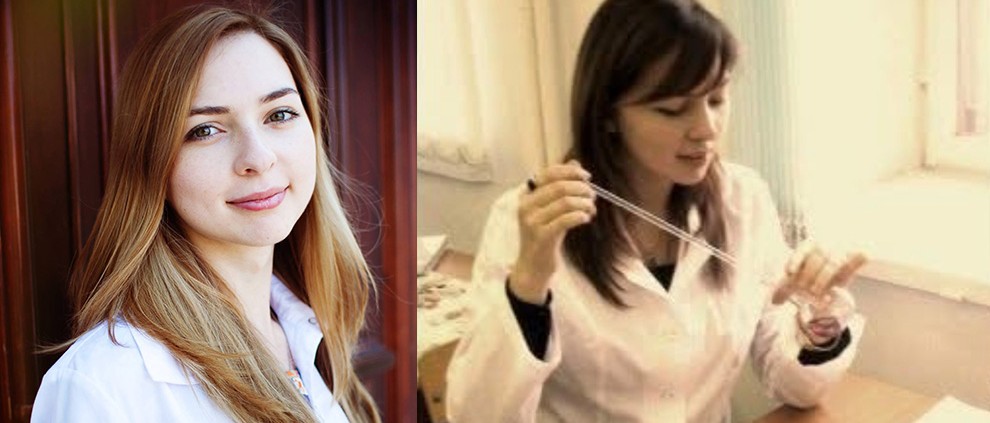
Dr. Anastasia Maltseva
When Dr. Maltseva arrived in Massachusetts, she brought years of rigorous medical education, clinical experience, and a clear vision to build her career in the United States. While she anticipated the competitive nature of securing a US residency, the
transition presented unforeseen hurdles.
Having trained in Russia within a vastly different health care infrastructure, she had to relearn medicine in English while simultaneously adapting to a new culture and unfamiliar channels of clinical communication. Her professional evolution was accompanied
by an intricate immigration pathway: navigating a tourist visa, an F-1 student visa for graduate studies in health care administration, a J-1 visa for residency, an H-1B visa for employment, and ultimately a green card secured through a Conrad 30
waiver position.
For international medical graduates, Dr. Maltseva shares, the transition is multifaceted: credentialing complexities, financial strain, linguistic barriers, and the isolation of navigating an unfamiliar system without a network.
Unfortunately, completing training does not mark the end of uncertainty. Following her residency at Carney Hospital, Dr. Maltseva confronted the question many early-career physicians face: What comes next?
When training ends, institutional support often fades. For Dr. Maltseva, the Massachusetts Medical Society stepped into that void, offering vital continuity through community, education, and advocacy. Participating in an MMS mentorship pilot paired her
with Dr. George Abraham, giving her the dedicated space to define her values and chart her professional trajectory.
Today, Dr. Maltseva leads the MMS IMG Section, representing approximately 3,100 internationally trained physicians across Massachusetts. Her leadership is rooted in personal experience: having navigated the labyrinth herself, she is committed to ensuring
others do not have to do it alone.
“We are not asking for lower standards,” Dr. Maltseva said. “We are asking for the opportunity to demonstrate that we meet the current standards.”
She is equally determined to reframe how the medical community views international graduates. While IMGs are frequently framed solely as a pragmatic remedy to workforce shortages in underserved areas, Dr. Maltseva views their value as far more expansive.
IMGs enrich patient care through multilingual fluency, deep cultural literacy, and global clinical perspectives. During residency, Dr. Maltseva bridged immediate communication gaps for Russian-speaking patients in Brighton. She also observed how cultural
backgrounds influence critical clinical dialogues, such as discussions surrounding hospice and goals of care — differences that, when recognized, foster institutional learning and empathy.
Systemic transparency remains one of the largest areas for reform. While waiver opportunities exist in underserved areas, identifying qualifying institutions and maneuvering through confusing administrative hurdles can be daunting without a centralized
roadmap.
Dr. Maltseva has channeled these systemic pain points into structured advocacy. Under her leadership, the MMS IMG Section delivers educational programming, webinars, and networking forums that engage clinicians worldwide, from prospective applicants abroad
to physicians already practicing in Massachusetts. Paying her mentorship forward, she precepts medical students and advises foreign-trained physicians who, like her younger self, struggle to secure clinical observerships and domestic letters of recommendation.
Looking ahead, Dr. Maltseva plans to advocate for formalized mentorship pipelines, transparent post-residency pathways, and greater IMG representation in health care leadership, policy, and legislative advocacy.
Her counsel to colleagues embarking on this path is simple yet deliberate: build your community early, seek mentors before you think you need them, actively engage with professional societies like MMS, and never hesitate to ask for guidance.
Hear from Dr. Maltseva on the opportunity she sees for IMGs to strengthen medicine in Massachusetts in this short video.
For more information on the MMS IMG Section, please contact Erin Tally.
