BY MMS WOMEN PHYSICIANS SECTION GOVERNING COUNCIL MEMBER DIANE SHANNON, MD, MPH, PCC; MMS PRESIDENT-ELECT MARY BETH MIOTTO, MD, MPH
Member engagement remains a key priority for the Massachusetts Medical Society, particularly as national data continue to show persistent inequities affecting women physicians — from higher burnout rates and pay disparities to lower representation in
leadership roles and increasing attrition from clinical practice. To better understand how these trends are affecting its own members, the MMS Women Physicians Section (WPS), established in 2018 to advance issues important to self-identified women
physicians, recently surveyed female physician members across the Society. The survey explored barriers to professional engagement, leadership advancement, and long-term career sustainability, while helping identify areas where MMS policy, programming,
and mentorship efforts can better support women physicians both within the Society and beyond.
Women Physicians’ Experiences
The survey also sought to determine whether nationally reported trends were reflected among MMS members, such as the following:
-
Higher rates of cutting back or leaving clinical practice among women physicians, which exacerbates patient access issues
-
Lower representation in senior leadership positions among women physicians
-
Gender pay inequity
-
Higher burnout rates among women physicians than their male colleagues
WPS also recognized that mitigating the challenges that women physicians face is likely to benefit other clinicians, organizational leaders, and patients and families.
Survey Details
-
Surveys were emailed to 7,250 members of the Society.
-
Approximately 1,600 opened the email, and 137 responded.
-
Survey questions were created and reviewed by members of the WPS.
-
To encourage completion, the total number of questions and the number of open-field questions were minimized. For this reason, questions for gathering full demographic data and information of interest for research (rather than potential action)
were not included.
-
Responses were multiple choice with the opportunity to offer free text comments as well.
-
Survey questions were then reviewed by MMS senior leadership and legal counsel prior to distribution, and members identifying as women were identified through membership records.
Key Findings
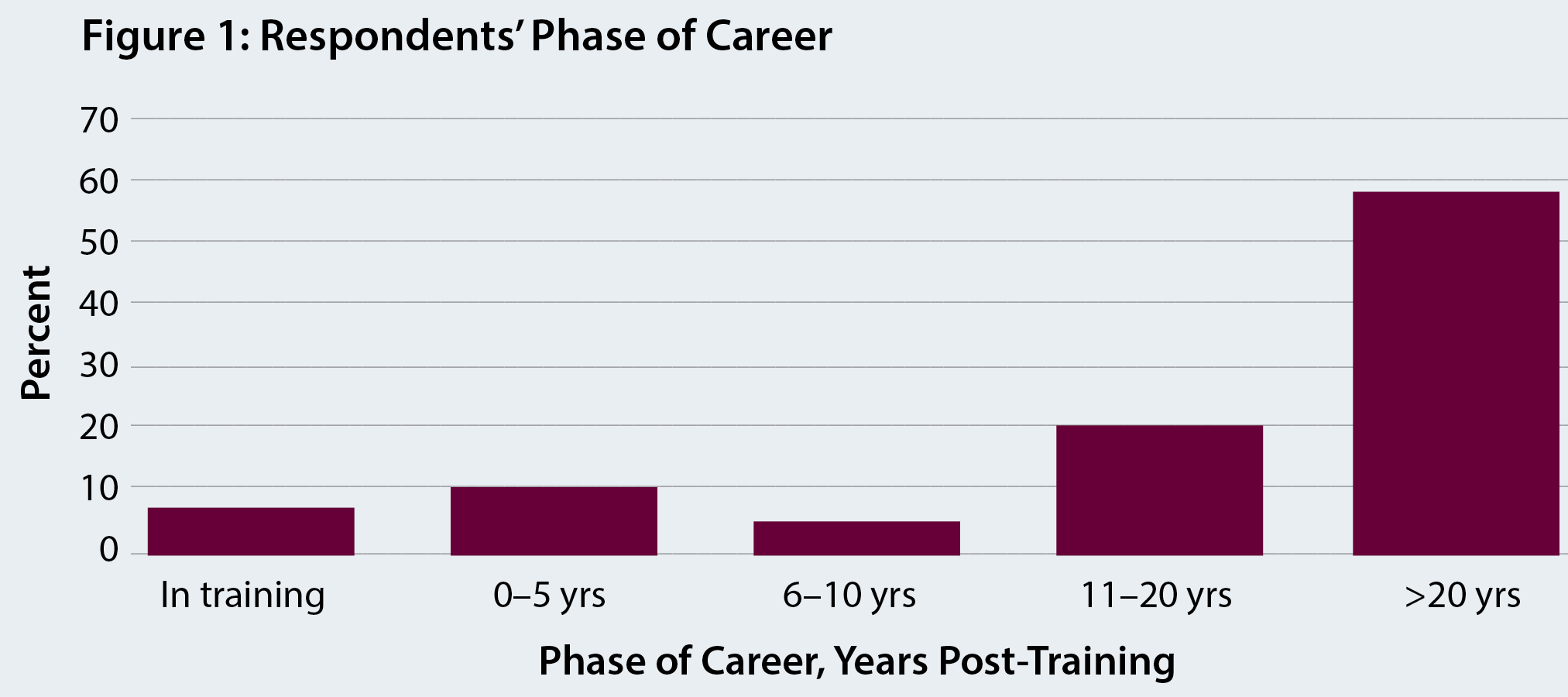
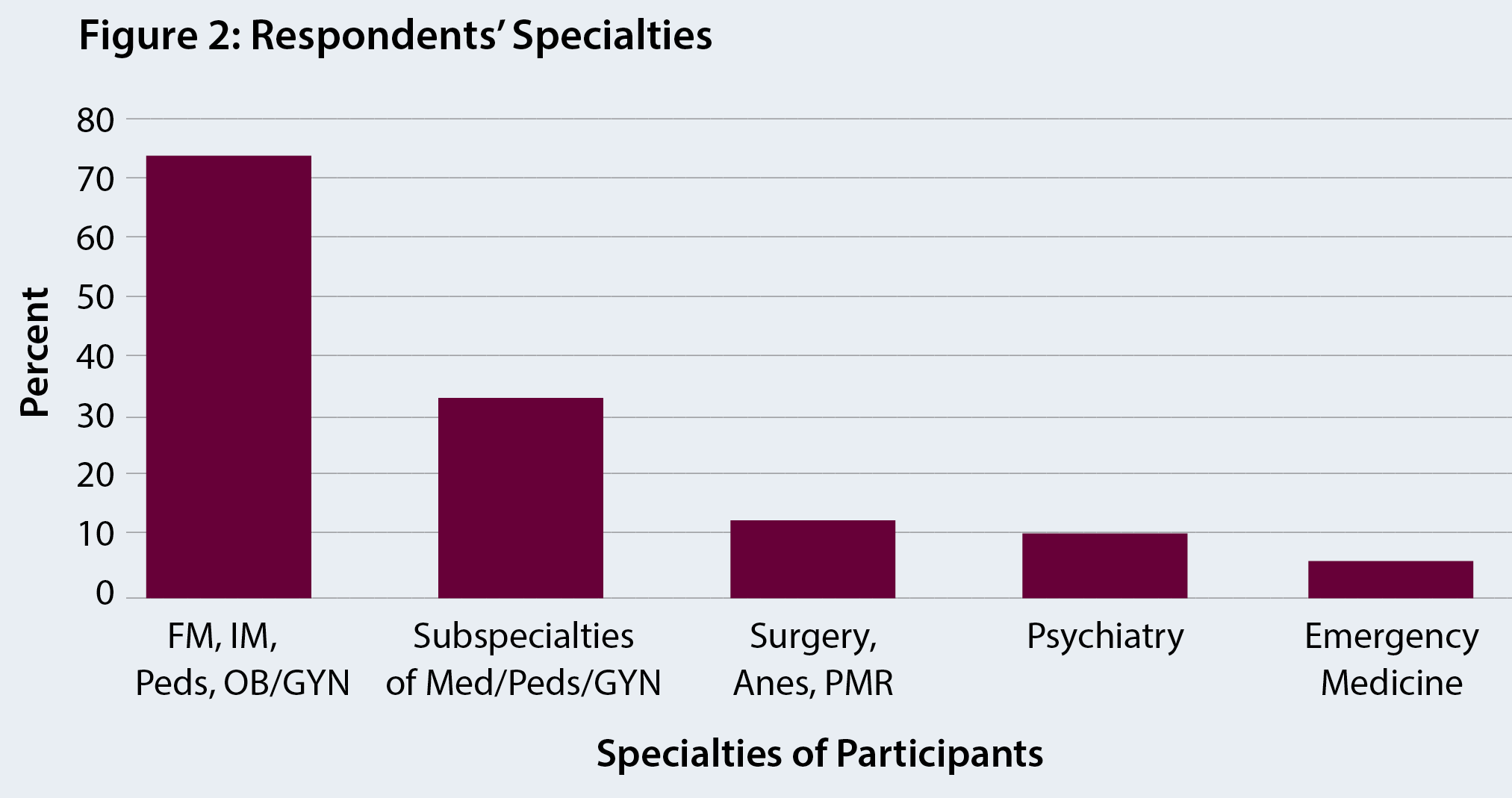
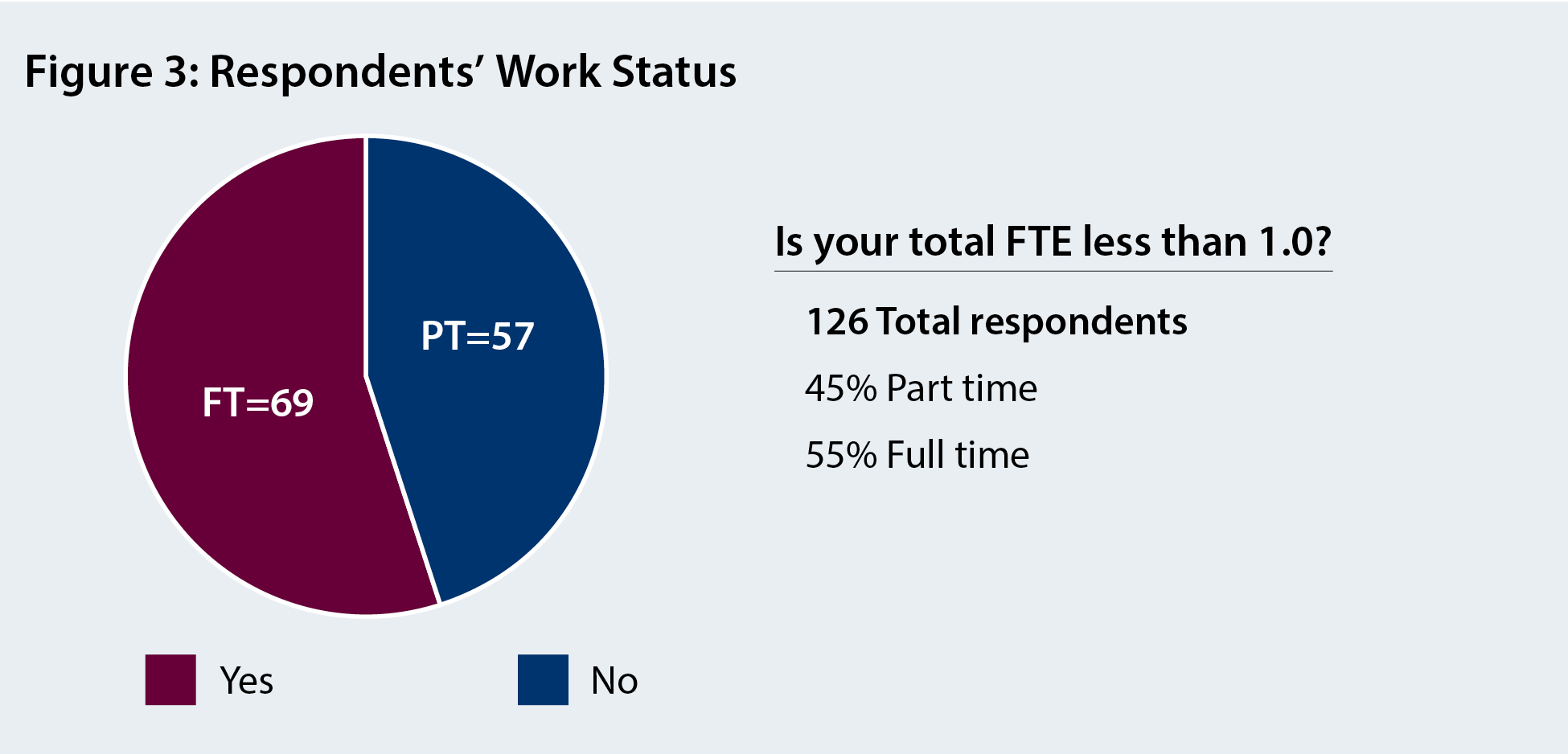
The survey goal was to elicit a sample across career phases, specialties, and work settings to better understand the full experience of women physician members. Respondents were mostly mid- to late-career physicians, and many practiced in internal medicine,
pediatrics, or obstetrics and gynecology. Just over half reported working full-time, defined as 1.0 full-time equivalent.
Respondent Composition
Challenges and Potential Action Steps
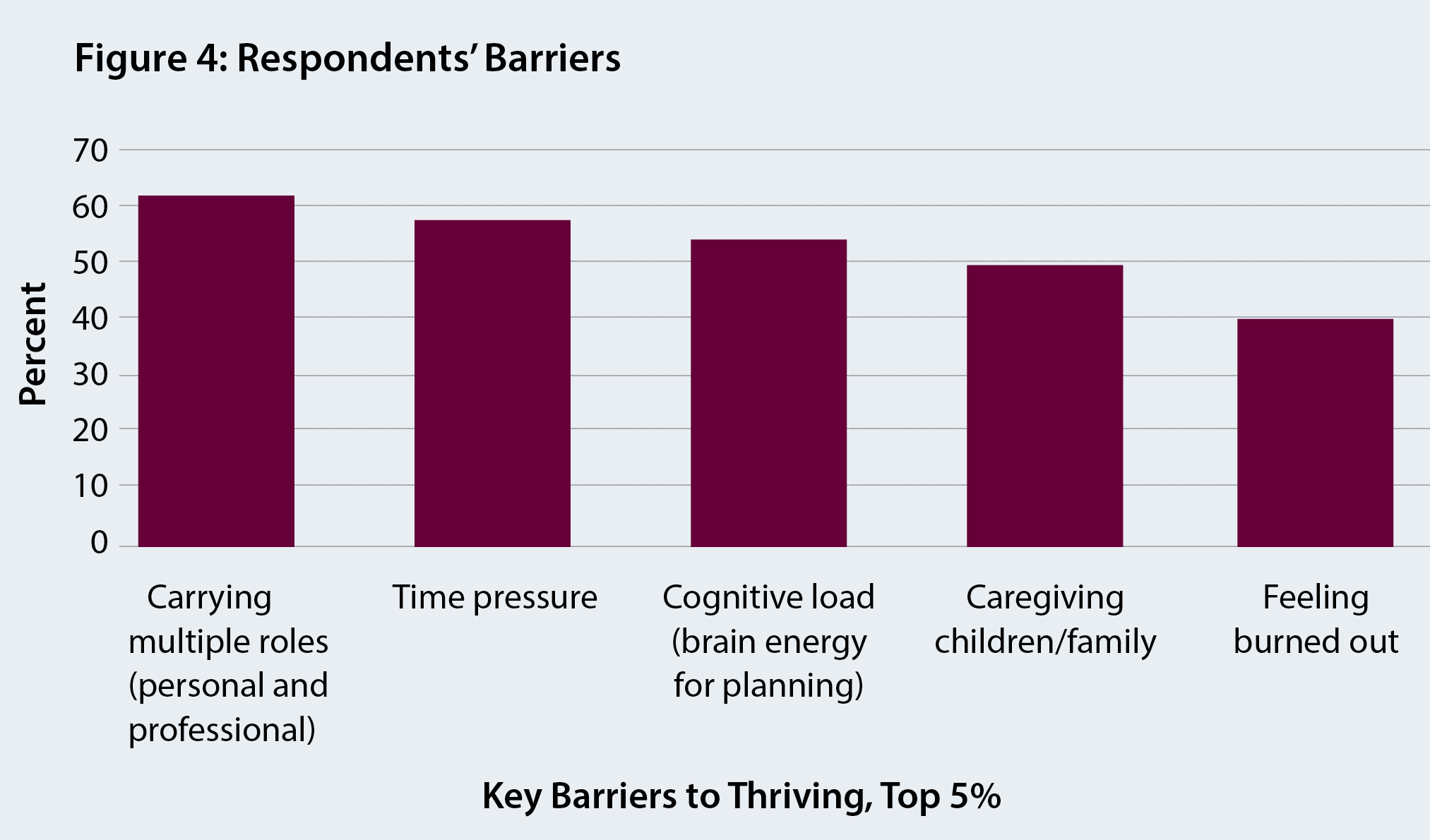
Survey respondents provided information on the barriers they experienced and on potential supports that the Society might provide or advocate for. More than 50 percent of respondents identified cognitive load as a key barrier to thriving.
In the WPS survey, cognitive load was defined succinctly as “the brain energy needed to plan your personal and professional life.”
In open responses, the survey respondents articulated desires around the following WPS advocacy focus and programming priorities:
-
equitable pay and promotion
-
leadership development
-
burnout/work-life integration
-
administrative burden/prior authorizations
-
RVU pressure and charting
-
childcare/caregiver support
Implications
There are limitations to the survey, including the fact that a low percentage of early-career physicians completed the survey. Challenges facing this subgroup, which also includes the MMS subgroup with a much higher proportion of women physicians, may
not be adequately reflected in the final survey report. The WPS Governing Council plans to convene early-career women physicians’ focus groups to augment the quantitative survey data.
Moving Forward for Women Physicians
These findings provide MMS leaders, committees, districts, and sections with valuable insight into barriers affecting women physicians’ engagement, leadership development, and career sustainability. Addressing these challenges can strengthen participation
and foster a more supportive and inclusive Society.
The Women Physicians Section (WPS) will use the findings to inform future programming, advocacy efforts, and policy recommendations for the MMS House of Delegates.
Although the survey represents a snapshot in time, the results reinforce national concerns about burnout, workforce attrition, and inequities affecting women physicians. These issues are increasingly important as women make up a growing share of the physician
workforce, including half of MMS medical student members.
The WPS Governing Council recognizes the survey’s limitations, including lower participation among early-career physicians. To better understand their experiences, the Council plans additional outreach and listening sessions with early- and mid-career
women physicians.
Next Steps:
-
Expand opportunities for mentorship, leadership development, and professional coaching
-
Develop programming on negotiation, time and energy management, allyship, and bias in leadership structures
-
Explore policy recommendations through the House of Delegates
-
Continue engagement with MMS members, leaders, and committees to identify strategies that support and retain women physicians
The WPS welcomes collaboration, feedback, and opportunities for joint programming to improve the experience of women physicians across Massachusetts. Members interested in connecting with the WPS Governing Council may contact WPS Staff Liaison Erin Tally at etally@mms.org.
